Invisalign®: What You Should Know About the Process
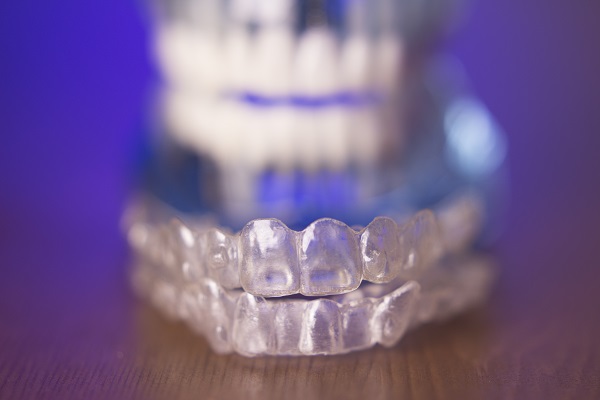
Dental technology has changed the number of options people have when it comes to straightening their teeth, but one of the most popular choices in recent years is Invisalign. This clear plastic aligner can correct issues such as tooth gaps, overbite, underbite and misaligned teeth. The journey to a more beautiful smile is possible with the aligner; however, those considering its use may feel more comfortable by learning what is involved before making a final decision.
The Invisalign process
The first step to using Invisalign is to make a consultation appointment with a dentist or orthodontist who offers treatment with the device. During the appointment, a dental professional may discuss a variety of treatment factors:
- The present oral health of the patient
- The severity of crooked or gapped teeth
- Previous dental issues that may interfere with Invisalign
A dentist may also review cost and whether a patient’s insurance will cover this treatment for misaligned teeth.
The molding session
Once a dentist decides that an invisible aligner is the right choice for a patient, the molding appointment can take place. During this time, a dental team will take photographs of the person’s face and X-rays and photos of the jaw and teeth. Once this is complete, dental moldings of the patient’s teeth will be constructed. The team will then send this information to the Invisalign center so the aligner can be created to individual specifications.
Creating the aligners
Once company technicians receive the teeth impressions and photos from a dental office, the actual creation of the aligners is the next step in this process. 3D computer models are used to create each aligner, all of which have a role in straightening the teeth. After about a month, the set will be created and shipped back to the dentist.
The initial fitting
Fitting for new Invisalign trays can begin almost immediately. Patients will likely be briefed on using the aligners and be given directions about how to use them. Each aligner is swapped out for the next every two weeks, and over time, crooked or misaligned teeth eventually conform to each tray’s shape. It can take up to 18 months to complete the treatment. Patients will probably be warned about the dangers of misusing Invisalign or failing to swap out the trays, which can lead to a serious delay in proper alignment.
Aftercare
Patients who use these alignment trays will usually visit the dentist every four to six weeks afterward so a dental team can view and discuss any progress made. This is also a good time for users to ask any questions, such as those about comfort issues or oral changes noted since using Invisalign. If the changes are unusual or not as expected, the dentist may make some minor adjustments, such as whether additional rubber bands should be worn with the aligners to ensure better rotation of certain teeth.
Conclusion
Choosing to use Invisalign clear plastic aligners can be the first step to a straighter, more beautiful smile. Learning about the process and what to expect, from the first appointment to the last, may help users feel more comfortable and give them the confidence to move forward and make positive changes to their oral health.
Are you considering Invisalign® in the Roswell area? Get more information at https://www.roswelldentalsmiles.com.
Check out what others are saying about our services on Google: Read our Google reviews.
Related Posts
A dental implant is an effective way to replace missing teeth, and it offers benefits that other options, such as dentures, do not. However, before deciding whether dental implants are suitable, you should have a complete picture of how they work and what you can expect.Not all patients are good candidates for dental implants. The…
Dental implants, while an excellent tooth replacement option, require a strenuous process and months-long commitment. The dentist requires each patient to undergo a physical examination before approval. In the event of a denial, they may recommend additional procedures to help the qualify if the reason results from infection or degeneration in the gum tissue or…
Dental implants are the teeth replacement option that most closely resembles natural teeth in form and function. One of their most attractive benefits is their incredible versatility. For those in need of single-tooth or multiple teeth replacement, dental implants provide a durable and aesthetically pleasing solution.The dental implant refers to the screw-shaped metal implant the…
A dental implant can replace an entire dental structure. The titanium rods act like dental roots and anchor the artificial tooth to the jawbone. This restoration is the gold standard of dental replacements. Here are the details about using a dental implant to replace your missing tooth.The dentist will evaluate the patient’s mouth first. This…