Is the Dental Crown Procedure Painful?
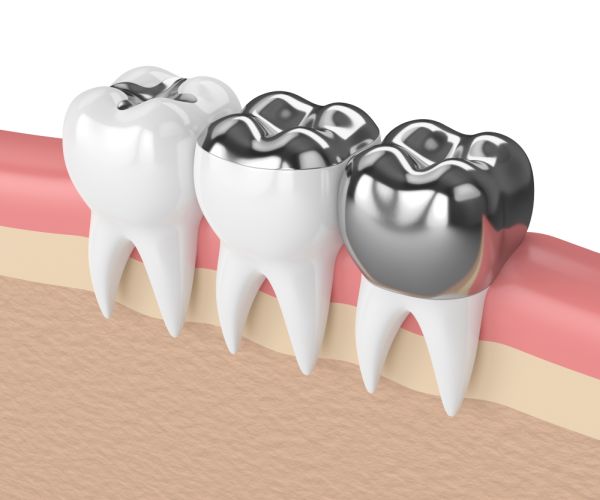
People with extensive cavities or other severe damage may often require a dental crown to repair their teeth and restore their smiles. As with most types of dental work, many patients express concern about possible pain and discomfort involved with the procedure. However, this incredibly common technique is typically very easy for both the dentist and the patient, resulting in minimal discomfort throughout the entire process.
Preparing for a dental crown procedure
Individuals who think they may be a candidate for a dental crown should speak with a dentist about the options available to repair the damaged tooth. While most patients will find that this specific approach is an appropriate choice, a dental professional may offer other possible alternatives based on the patient's needs and current condition.
Physical suitability for dental crowns
If a tooth becomes severely damaged due to injury or decay, but the root remains intact, a dental crown can help repair the tooth and restore its beauty and function. Patients who maintain overall good oral health and hygiene can benefit from having a dental crown installed. If the tooth is lost or must be removed, or if decay surrounding the area is too severe, other alternatives such as implants, bridges or dentures may be a more sensible long-term option.
The process of installing a dental crown
A dental crown is a permanent covering that is placed over the surface of the existing damaged tooth. The covering can be made from a variety of materials, including:
- Metal
- Resin
- Porcelain
- Ceramic
A dentist can help guide the patient toward a suitable choice of material based on budget, aesthetic preferences and medical history. During the procedure, the dentist will reshape the damaged tooth to prepare it for the crown. If necessary, decay is removed and the tooth repaired as well. Once the tooth is properly shaped, the dentist takes an impression of the teeth to ensure that the crown fits properly into the patient's mouth. A temporary crown is then fitted into place. Once the final version is complete, the patient returns to have the new crown permanently attached.
Recovering from a dental crown procedure
In general, most patients experience only mild discomfort and some sensitivity after having a dental crown installed. While it is safe to eat and drink relatively soon after the procedure, dentists usually recommend avoiding extremely hot or cold items for a few days, as well as chewy, crunchy or tough foods. Brushing with a sensitivity toothpaste and taking over-the-counter pain medications typically manage most post-procedure pain. If discomfort lingers, it is likely due to the shape of the crown affecting the bite patterns, which can easily be adjusted by a dentist in a matter of minutes.
Conclusion
For a severely damaged tooth, dental crowns are a commonly-used solution to repair the affected area. While some slight discomfort may occur during and immediately after the procedure, pain is usually minimal and very easily managed. Patients who are concerned about undergoing dental work should discuss pain management options with a dental professional.
Request an appointment here: https://www.roswelldentalsmiles.com or call Roswell Dental Smiles at (770) 238-1209 for an appointment in our Roswell office.
Check out what others are saying about our services on Google: Read our Google reviews.
Related Posts
Wearing clear braces can make daily brushing and flossing feel a little more complicated. Food can collect around brackets, attachments, or along the edges of clear aligners. Fortunately, with a simple routine, it is possible to keep teeth clean and gums healthy throughout treatment.Brushing is one of the most important parts of clear braces care.…
Patients looking for a permanent tooth replacement can benefit from dental implants. Implants create a foundation for permanent tooth replacements that look and feel natural. To achieve this, a general dentist will surgically insert them where natural tooth roots are found, right in the jawbone. Taking the healing period seriously helps the jawbone recover faster,…
A dental implant replaces a single tooth with a metal post, abutment, and crown. General dentists recommend prompt tooth replacement because even the loss of one tooth can disrupt a smile's alignment and function. Though there are other effective options, dental implants offer clear advantages for good candidates.Losing only one tooth, even if the space…
A partial denture or dental implant can replace a missing tooth. Research shows that most people prefer implants to dentures. Awareness of when to choose an implant over a denture can help prepare you for your treatment. Here are the details on when you must choose a dental implant over a denture.A dental implant is…